

Bakersfield, California, sits at the southern end of the San Joaquin Valley — a region defined by its semi-arid climate, sprawling farmland, and unique ecological crossroads where the Mojave Desert, the Sierra Nevada foothills, and the Central Valley all converge. That geographic diversity produces a remarkable range of native flora and fauna, much of which residents rarely encounter up close. The California Living Museum, known locally as CALM, gives Kern County communities a rare opportunity to observe, understand, and appreciate the wild species that share this landscape.
What Is the California Living Museum?
The California Living Museum is a nonprofit zoo, botanical garden, and natural history museum located at 10500 Alfred Harrell Highway in Bakersfield. Founded in 1978 and opened to the public in 1986, CALM operates under a mission centered on education, conservation, and the rehabilitation of native California wildlife. Unlike traditional zoos that house animals from around the world, CALM focuses exclusively on species native to California — making it one of the few facilities of its kind in the western United States.
The museum sits on approximately 14 acres and is accredited by the Zoological Association of America, a nonprofit organization that sets rigorous standards for animal care, education programming, and conservation ethics. That accreditation signals a commitment to welfare standards that go beyond basic regulatory requirements.
Native Species on Display
Because CALM limits its collection to California-native animals, every exhibit reflects the genuine biodiversity found within the state’s borders. Visitors encounter animals that are ecologically relevant to Kern County specifically — not exotic imports that require entirely different climate management.
Resident species include:
- Black bears (Ursus americanus), which inhabit the Sierra Nevada foothills east of Bakersfield
- Mountain lions (Puma concolor), apex predators with documented ranges extending into Kern County
- Golden eagles (Aquila chrysaetos), among the most widespread raptors in California
- Burrowing owls (Athene cunicularia), a species of special concern under the California Department of Fish and Wildlife
- Western diamondback rattlesnakes and other native reptiles common to the Mojave-adjacent terrain around the valley
- Native fish species, including several listed under the federal Endangered Species Act
Many of CALM’s animals arrived as rescues — individuals injured in the wild or raised by humans in ways that prevented safe reintroduction. This intake model means the museum serves a genuine wildlife rehabilitation function, not just a display function.
Botanical Gardens and Natural History Exhibits
CALM’s identity extends well beyond its animal collection. The facility maintains a botanical garden featuring plant species native to California’s varied ecosystems, including chaparral, valley grassland, and desert scrub — all of which appear in and around Kern County’s varied terrain.
The natural history museum component houses fossils, geological specimens, and educational displays connected to California’s deep prehistoric record. The San Joaquin Valley sits within one of the most fossil-rich zones in California; the Kern County area has yielded significant paleontological finds, making this component locally resonant rather than incidental.
Interpretive signage throughout the grounds explains ecological relationships, conservation status, and the pressures facing native species — giving visitors context that turns a walk through the grounds into a genuine learning experience. Bakersfield’s cultural identity runs deep in places like this, much the way it does in historic sites such as China Alley, where the city’s immigrant history is preserved and told through a similarly educational lens.
CALM’s Role in Regional Conservation and Education
CALM holds a significant educational role within Kern County’s school system. The museum partners with local schools to provide field trips, curriculum-aligned programming, and teacher resources tied to California’s Next Generation Science Standards (NGSS). According to the museum’s published programming data, CALM serves tens of thousands of students annually from across the region.
The facility also contributes to species recovery efforts. Several animals housed at CALM fall under active management programs coordinated with the California Department of Fish and Wildlife, the state agency responsible for managing and protecting native species populations. In a region where agricultural expansion, urban development, and water scarcity continue to fragment natural habitats, that conservation infrastructure matters.
Kern County’s climate — hot, dry summers regularly exceeding 100°F, cold winter nights, and minimal rainfall averaging around 6 inches annually — creates environmental stress for native wildlife. CALM’s educational programming connects those climate realities to broader conservation conversations, helping residents understand why local species face specific pressures that differ from those in wetter, cooler parts of the state.
Visiting CALM: Practical Information
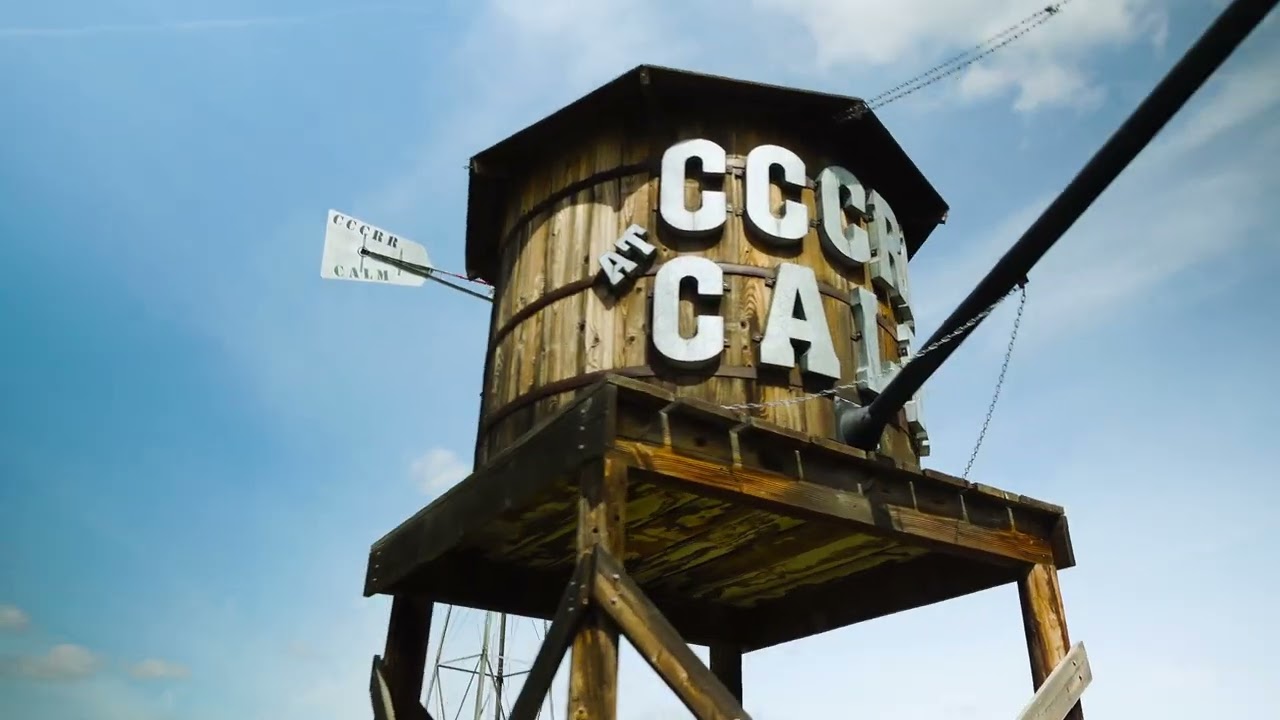
CALM operates year-round, with hours and admission details available through the museum’s official site. The facility offers memberships, group rates for school visits, and seasonal programming tied to wildlife cycles and local ecology. Its location near Alfred Harrell Highway places it within easy reach of central Bakersfield and the surrounding communities of Oildale, Rosedale, and Northeast Bakersfield.
For residents planning a visit or educators looking to integrate local ecology into classroom learning, CALM’s education resources connects to downloadable materials aligned with California state science standards — a practical tool for teachers looking to build on field trip experiences.
Why CALM Matters to Kern County Residents
Bakersfield and its surrounding communities exist within a rapidly changing landscape. Development pressure, prolonged drought cycles, and shifting agricultural practices affect the native species documented throughout the San Joaquin Valley. CALM provides a place where those abstract environmental realities become visible and tangible — where a burrowing owl or a golden eagle isn’t just a line in a field guide but an animal with a documented history and a face.
For families, students, and anyone curious about the ecology underlying Kern County’s daily life, the California Living Museum offers something genuinely irreplaceable: a curated, credible encounter with the natural world that shaped this region long before the valley was farmed or paved.
To explore upcoming events, school programming, and membership options, visit the California Living Museum website.
Recent Comments